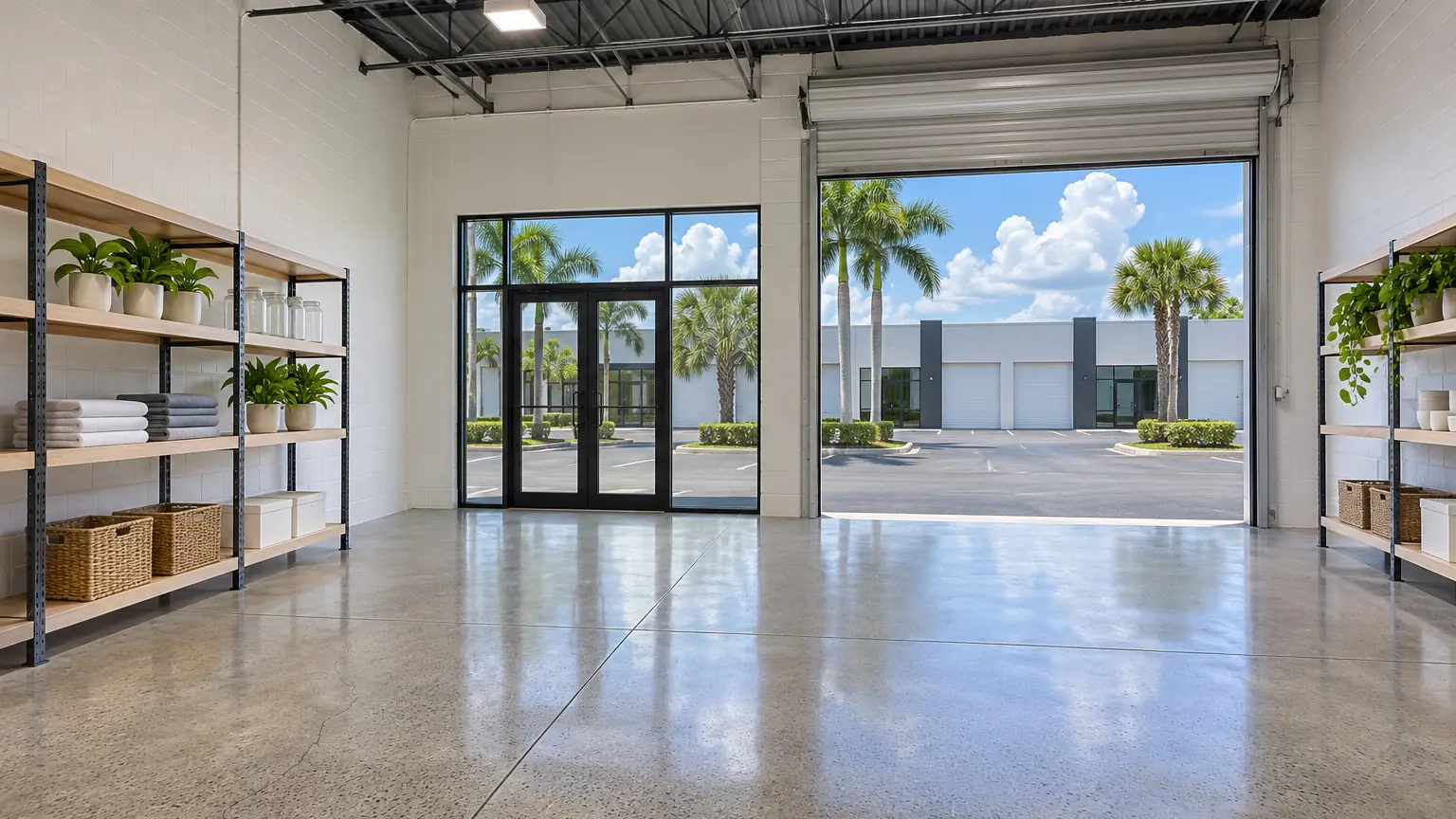
Polished concrete floor with light aggregate exposure and visible control joints in a Broward County retail space

Home / Concrete Polishing

Concrete Polishing in Fort Lauderdale

For warehouses, retail floors, showrooms and restaurants.

The regret people write about most: they spent tons of money on a polished concrete floor they're not happy with, because it came out blotchy and the cracks still show. Polishing grinds your existing slab through a sequence of diamond grits until it shines, so whatever is in that slab, patches, saw cuts and color changes, stays part of the floor. We connect business owners across Broward, Miami-Dade and southern Palm Beach with an independent contractor who polishes concrete and installs epoxy and does nothing else. Ask to see a test area on your own slab before you sign. Call (561) 556-9756 and we'll connect you.

  • Worried it will look blotchy? A test area on your slab shows the real color and aggregate first.
  • Afraid of a grind and seal sold as a polish? Ask for the grit sequence and pass count in writing.
  • Restaurant spills? Ask about the densifier and the stain guard, and how to clean.

If this sounds familiar


Spent tons of money on a polished concrete floor that we're not happy with

The tile came up, the slab underneath had patches, glue shadows and cracks, and nobody said they would show. They do. The fix is seeing a ground test area before the job is priced, so the decision is made on your slab, not a sample board.

Looks like a cut and seal more than a polish

A shine that scuffs off in the traffic lanes within a year usually came from a topical sealer. A mechanical polish is the concrete itself, ground and honed through progressive grits, so there's no film to wear off.

In a busy restaurant environment, spills are inevitable

Wine, citrus, coffee and grease can stain or etch polished concrete that was never densified and guarded. The protection goes on during the job, and cleanup habits matter after.

The three worries, answered


"The surface of the concrete is looking blotchy"

Joints, saw cuts and existing cracks do not disappear because the slab is polished, and grinding can reveal aggregate, sand and old repairs. That character is the floor. If you want a uniform color with nothing showing, an epoxy system is the better choice, and it's on the same call.

Ask: "Can you grind a small test area so I can see it?"

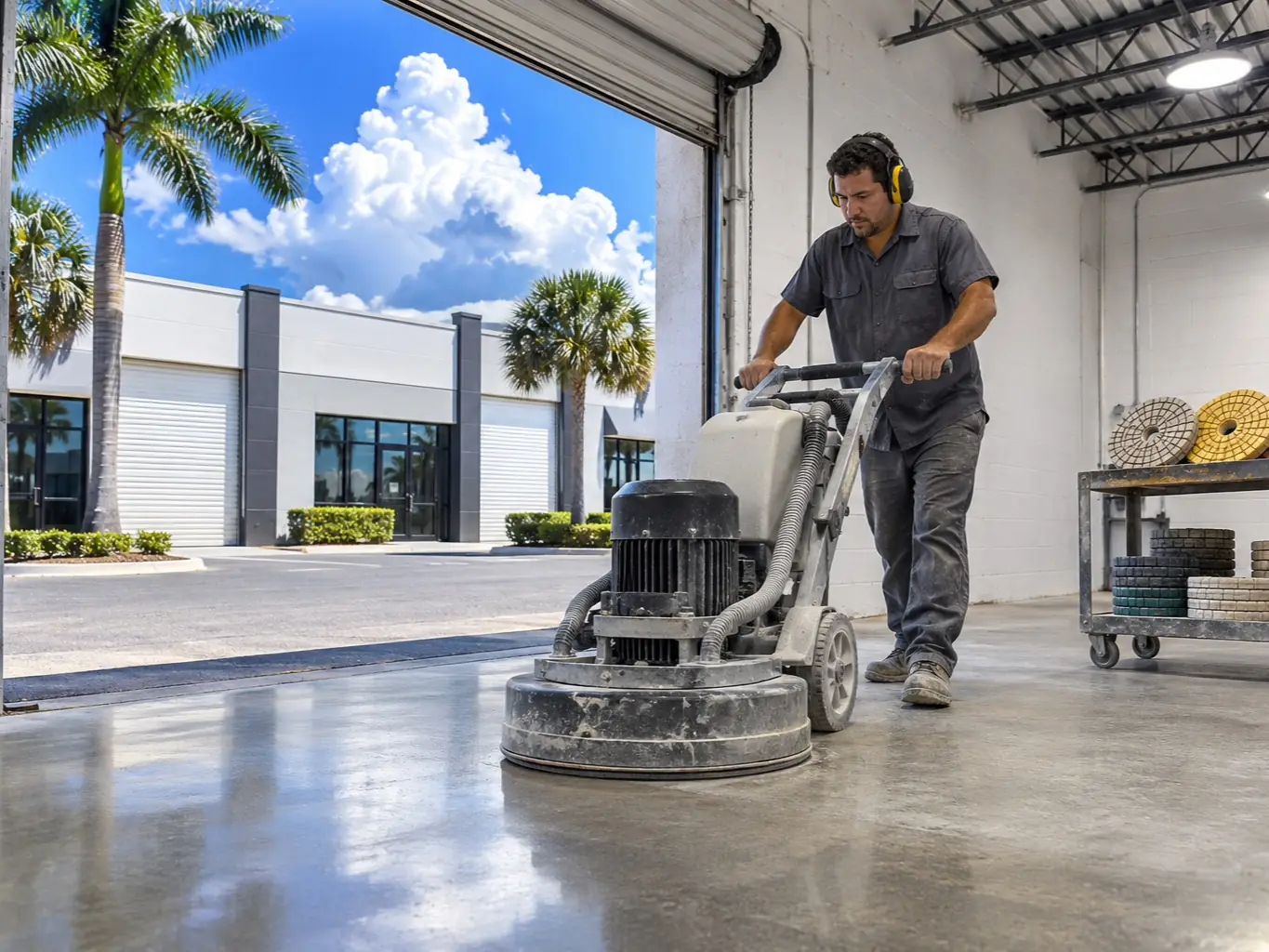
Polishing a concrete slab with a walk-behind machine and diamond pads in a South Florida warehouse
Scene image: a walk-behind polishing machine with diamond pads.

"Did they skip straight from 80 to 200?"

Real polishing steps through grits one by one. Skipping steps leaves scratches that show up when the light hits the floor. A contractor who has walked your slab can name the starting grit, the pass count, and how much hardener it needs.

"Only con is it gets slippery when wet"

Like any smooth hard floor, polished concrete can be slippery when wet, and dust or soap residue makes it worse. A lower gloss level and the right cleaner help. For wet kitchens and wash areas, a textured epoxy or urethane cement is the safer floor.

Call now and ask what your slab will look like polished

Polished concrete or epoxy?


Polished concreteEpoxy system
LooksYour slab, with its cracks, patches and aggregateA uniform color, flake or metallic finish over the slab
UpkeepDust mopping and a neutral cleaner; no coating to peelEasy to clean; worn lanes get recoated
Wet areasCan be slick; keep the gloss lowerGrit in the coat gives wet traction
Best forLarge retail and warehouse floors, dry showrooms, lobbiesKitchens, shops, garages, rooms that need color or safety lines

Commercial owners often hear that polished concrete wins on total cost of ownership because there's no coating to replace. That holds when the slab is sound and the look suits the space. Read about epoxy floors.

Last updated

What moves the price


Polishing is priced off your slab, so a phone number for it is a guess. What moves it:

  • What's on the slab now. Tile, glue, carpet adhesive or an old coating has to come off first.
  • Repairs. Cracks and spalls filled, joints filled or left open.
  • Gloss and exposure. More grits for higher shine; deeper grinding to show more aggregate.
  • Protection. Densifier and stain guard, worth it anywhere food or oil gets spilled.

Ask for those four lines itemized in the written quote so nothing gets added later.

Where polished floors work in South Florida


Big-box retail, warehouse aisles, showrooms, office lobbies and restaurant dining rooms. Many South Florida buildings have slabs that sat under tile or carpet for decades, and pulling it up is often how owners find out what they have.

Rainy months matter less for polishing than for coatings, since there's no film to lose its bond. Moisture still matters for any sealer or guard on top, so the slab gets checked either way.

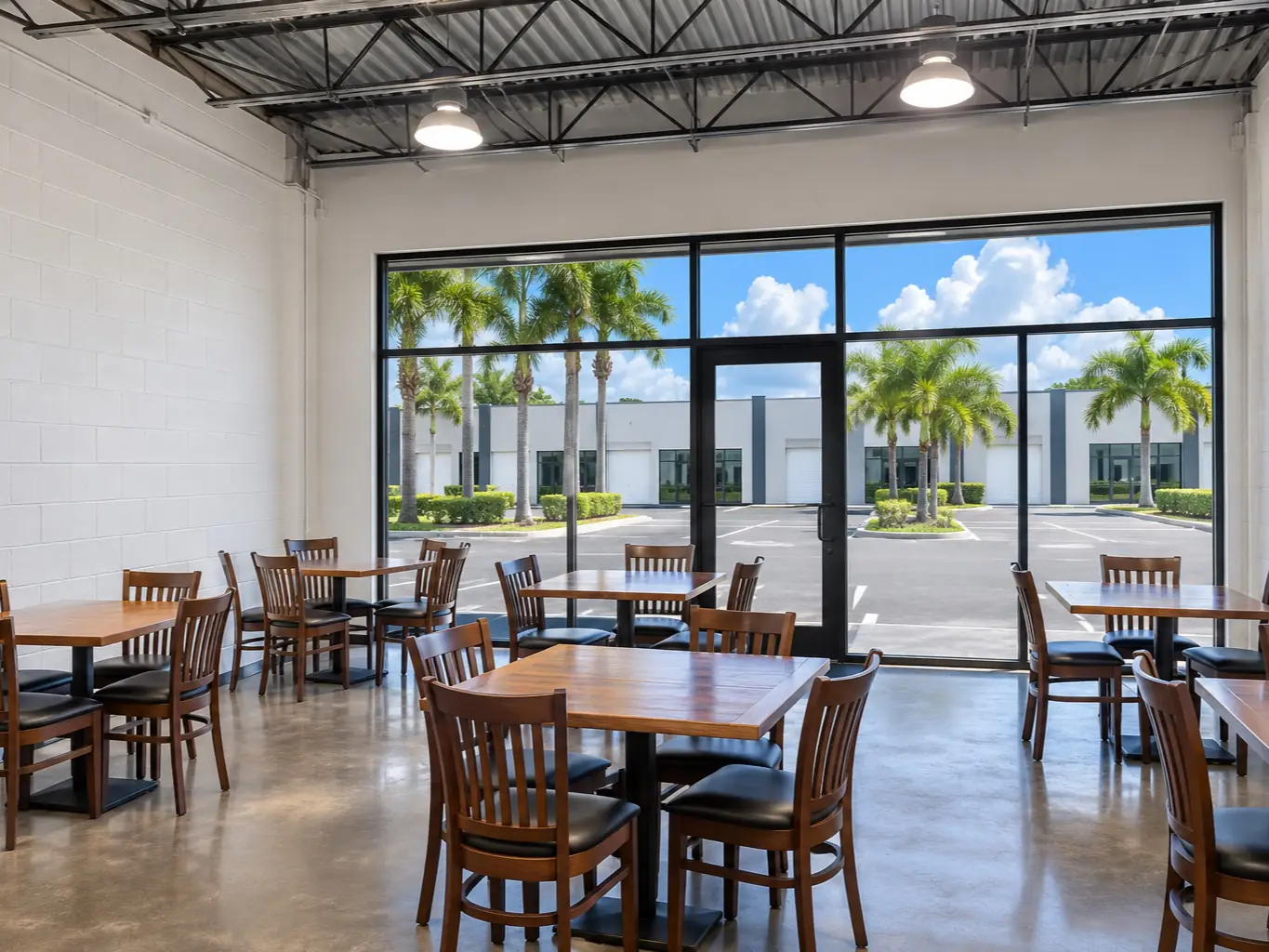
Satin polished concrete floor in a small South Florida restaurant dining room
Scene image: satin polished concrete in a small restaurant.

What happens after you call


  1. The call. The space, the square footage, what's on the floor now and the look you're after.
  2. The walk. The slab is checked for cracks, coatings and moisture. Ask for a test area.
  3. The written scope. Grit sequence, gloss level, repairs, densifier and guard, schedule and price.
  4. The polish. Grinding and honing pass by pass, then densifier and guard.

Concrete polishing questions

Is polished concrete slippery?

Like any smooth hard surface, polished concrete can be slippery when wet. Dust and soap residue make it worse. A lower gloss level, the right cleaner and mats at wet entries help; for wet kitchens, a textured coating is safer.

Will the cracks show after polishing?

Yes. Joints, saw cuts and existing cracks do not disappear because the slab is polished. They can be filled, but the fill will look different from the concrete around it. A test area shows you what to expect.

What is the difference between grind and seal and polished concrete?

Grind and seal puts a topical sealer on a lightly ground slab, and the shine comes from the sealer, which wears and needs resealing. Polished concrete is ground and honed through progressive diamond grits so the shine is in the concrete itself.

Polished concrete vs epoxy, which is cheaper to maintain?

Polished concrete usually needs the least upkeep: dust mopping, a neutral cleaner and occasional burnishing, with no coating to peel. Epoxy is easy to clean too, but worn traffic lanes need a recoat every few years.

Call and we'll connect you with a concrete polishing contractor serving your area

Phones are answered Monday to Friday 9am to 7pm, Saturday and Sunday 9am to 2pm. Say what the space is, roughly how many square feet, and your zip code, and ask for the scope in writing before anyone starts.

Call (561) 556-9756